
Understanding Diatomaceous Earth and Its Processing Challenges
Diatomaceous earth (DE) is a unique non-metallic mineral known for its high silica content, exceptional porosity, and natural abrasiveness. These properties make it highly valuable across various industries, but they also present challenges when it comes to ultra-fine grinding. Grinding diatomaceous earth to ultra-fine sizes requires careful handling to preserve its porous structure and maintain its natural purity. Key challenges you will encounter include:
- Maintaining the structural integrity of the delicate particles during milling
- Preventing metal contamination which can compromise product quality, especially in food-grade or pharmaceutical applications
- Achieving a narrow particle size distribution for uniformity and optimal performance
- Managing heat generation and energy consumption to avoid damaging heat-sensitive DE while keeping operating costs low
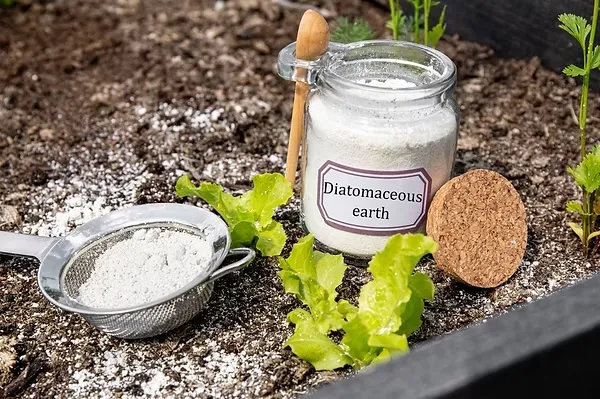
Because of its porous structure, DE is widely used in applications that demand finely milled powder with consistent quality. Some common uses include:
- Filter aids for water, beverages, and chemicals
- Functional fillers in paints, coatings, and rubber
- Catalysts and supports in chemical processes
- Building materials like cement additives and insulation
- Absorbents for oils and chemicals in environmental cleanup
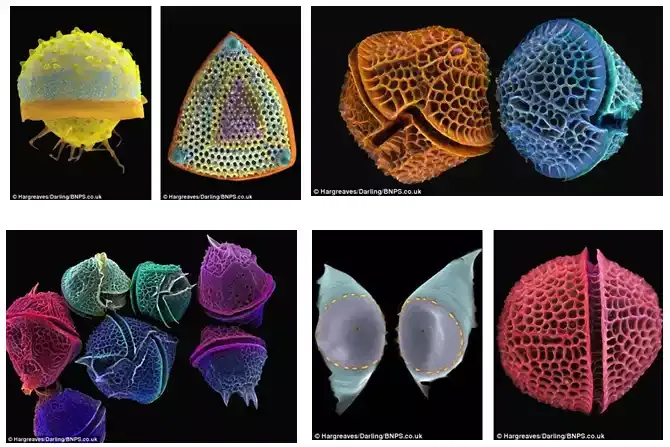
Selecting the right diatomaceous earth processing equipment is critical to overcoming these challenges. The ideal solution efficiently produces high-purity, uniform particle sizes while protecting the material’s inherent benefits.
Jet Mill Technology: The Superior Choice for Ultra-Fine Grinding
Fluidized bed opposed jet mills operate by using high-speed air jets that cause particles to collide with each other, breaking them down into ultra-fine powders without any grinding media. This particle-on-particle collision method ensures efficient size reduction while preventing contamination.
Compared to traditional grinding equipment like ball mills or Raymond mills, jet mills have no moving mechanical parts, which means less wear and tear and far lower chances of metal contamination. Their integrated high-precision classification system allows for precise particle size control and a uniform particle size distribution, essential for high-quality diatomaceous earth ultra-fine grinding.
Moreover, jet mill technology is ideal for processing abrasive and heat-sensitive non-metallic minerals such as diatomaceous earth. The air-driven operation generates minimal heat, preserving the porous structure and natural purity of the mineral. This makes it a perfect choice for producing high-purity diatomite powder for applications like filter aids and functional fillers.
For applications requiring strict particle size control, pairing the jet mill with specialized equipment like a vertical air classifier further enhances performance and product consistency.
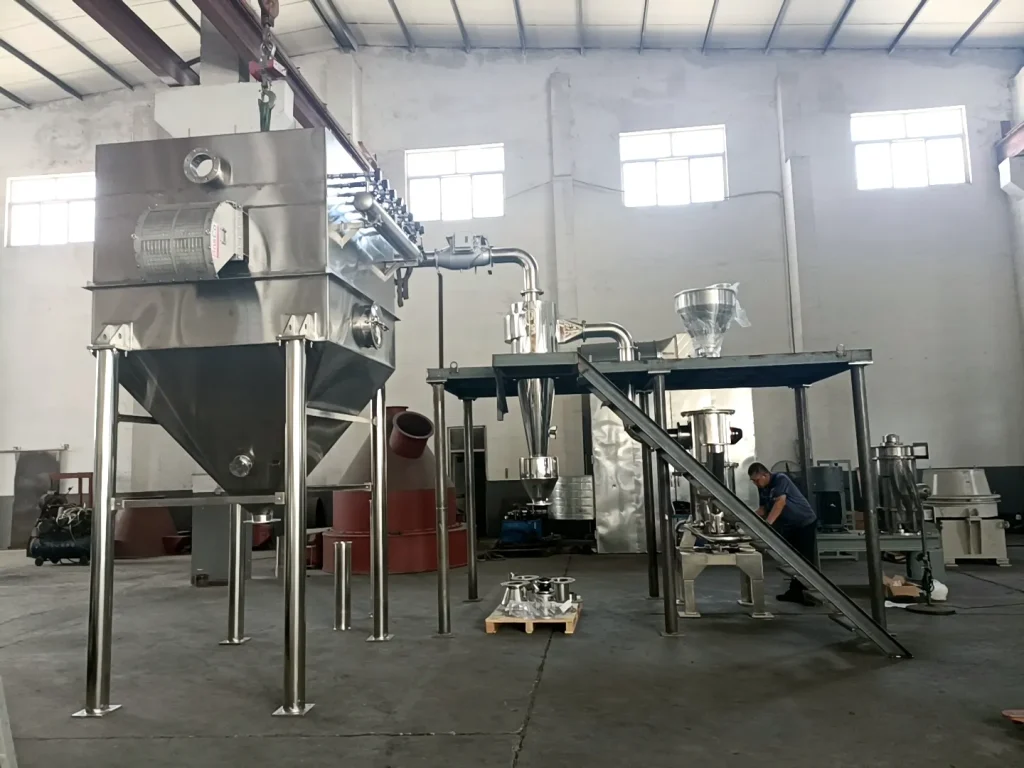
Introducing Epic Powder’s MQW20 Jet Mill
The MQW20 jet mill from Epic Powder is tailored for diatomaceous earth ultra-fine grinding, combining advanced design and energy-efficient operation to deliver high-quality output.
Core Design Features
- Horizontal fluidized bed: Ensures smooth particle suspension and consistent grinding.
- Integrated high-precision classifier: Achieves narrow particle size distribution with fine control.
- Laval nozzles: Generate supersonic airflow to maximize particle-on-particle collision efficiency.
Technical Specifications
| Parameter | Details |
|---|---|
| Capacity Range | 50–500 kg/h |
| Particle Fineness (d97) | 2–45 microns |
| Energy Consumption | Industry-leading low benchmarks |
Durability and Purity
- Wear-resistant linings guard against abrasion from the naturally rough diatomaceous earth.
- GMP-compliant construction supports contamination-free grinding, ideal for food-grade and pharmaceutical applications, ensuring a high-purity diatomite powder.
This performance makes the MQW20 a top choice in the diatomaceous earth processing equipment market, setting new standards in ultra-fine grinding technology.
For integration with existing systems and seamless powder classification, learn more about our ultra-fine air classifiers.
Key Benefits of the MQW20 for Diatomaceous Earth Processing
The MQW20 jet mill offers several clear advantages that make it the top choice for diatomaceous earth ultra-fine grinding:
- Exceptional Particle Size Control The MQW20 delivers precise and uniform particle size distribution, ensuring optimized porosity and improved performance in applications like filter aids and fillers.
- Contamination-Free Grinding With wear-resistant linings and a GMP-compliant design, the mill preserves the natural purity of diatomaceous earth, making it perfect for food-grade and pharmaceutical uses.
- Energy-Efficient Operation Advanced airflow and supersonic jets reduce energy consumption, helping to lower operational costs without compromising output.
- High Throughput with Minimal Heat Generation The technology maintains low processing temperatures, protecting the delicate porous structure and chemical properties of the mineral during grinding.
- Easy Maintenance and Scalability Simple design means quicker maintenance and easy scaling — ideal for industrial production environments demanding consistent quality.
| Benefit | Advantage for Diatomaceous Earth |
|---|---|
| Particle size control | Optimized porosity, uniform powder distribution |
| Contamination-free grinding | Maintains purity, suitable for sensitive uses |
| Energy efficiency | Lowers cost, eco-friendly operation |
| Low heat generation | Protects material integrity |
| Easy maintenance | Reduced downtime, scalable production |
These features combine to make the MQW20 a comprehensive solution for modern diatomaceous earth processing, balancing quality, efficiency, and purity in one energy-efficient system. For more on high-precision milling technology, you might also explore our detailed ball mill air classifier production line.
Real-World Applications and Performance
The MQW20 jet mill truly excels in delivering diatomaceous earth ultra-fine grinding results that boost product performance across various industries. Its ability to produce consistent sub-micron fines means you get uniform particle size distribution with excellent porous structure preservation, which is critical for many applications.
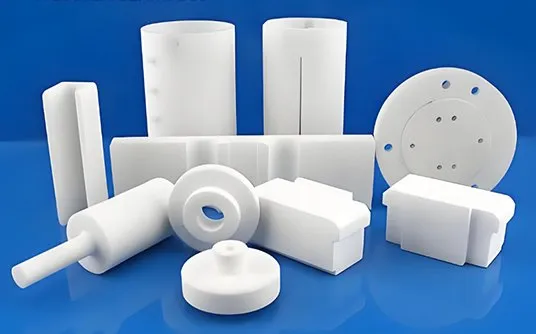

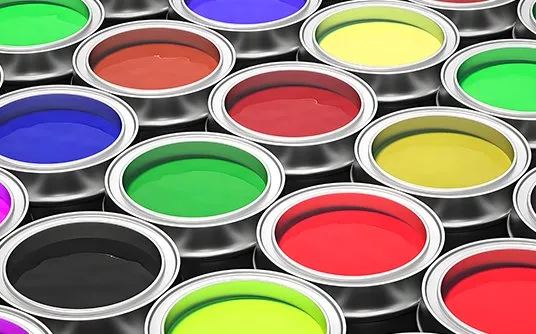
- Enhanced filtration efficiency: In beverages and chemicals, the ultra-fine diatomaceous earth processed by the MQW20 improves filter aid performance, leading to clearer, higher-quality liquids.
- Superior filler properties: When used in paints, coatings, and rubber, the finely ground powder enhances texture, durability, and overall product consistency.
- Improved adsorption: In catalysts and building materials, the high-purity, superfine powder provides better absorption and reaction efficiency, raising the value of final products.
These advantages are well-documented in numerous cases where processors have achieved stable, contamination-free, and energy-efficient ultra-fine grinding results, elevating their output to meet stringent quality standards. For those seeking more insights into related porous materials and their applications, resources such as the detailed overview of porous calcium carbonate particles can offer valuable parallels.
The MQW20’s real-world performance makes it a smart choice for any business looking to maximize the potential of diatomaceous earth processing equipment with a focus on quality, efficiency, and scalability.
Comparison with Alternative Grinding Equipment
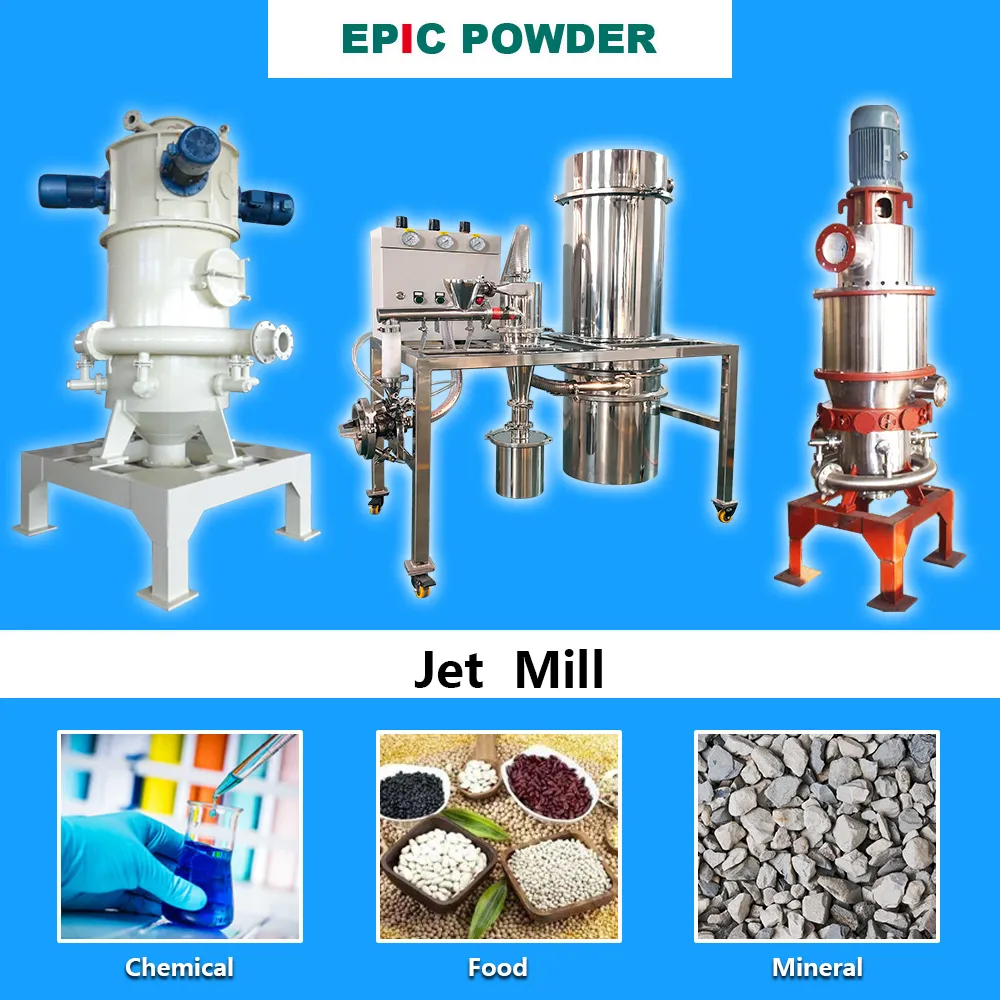
When it comes to diatomaceous earth ultra-fine grinding, choosing the right equipment makes all the difference. Here’s how the MQW20 Jet Mill stacks up against common alternatives:
| Equipment Type | Fineness & Particle Control | Contamination Risk | Energy Efficiency | ROI for Processors |
|---|---|---|---|---|
| Ball Mills | Coarser particles, wider size distribution | Higher metal contamination due to grinding media | Higher energy consumption | Lower—due to frequent maintenance and longer processing times |
| Raymond Mills | Moderate fineness, less precise particle size control | Moderate contamination risk from rollers | Moderate energy use | Moderate—less expensive but compromises quality |
| Conventional Jet Mills | Good fineness, but less precise classification | Low, but wear parts may cause contamination | Moderate energy consumption | Good, but often higher running costs |
| MQW20 Jet Mill | Superior fineness with narrow, uniform particle size distribution | Virtually contamination-free due to wear-resistant linings | Energy-efficient with optimized air flow | Best—lower operating costs, higher quality output, and scalability |
Why the MQW20 Outperforms Others
- Finer & More Uniform Powder: Through its advanced fluidized bed and integrated classifier, the MQW20 consistently delivers powders with a tight particle size distribution. This enhances performance in critical applications like filter aids and fillers.
- Lower Contamination Risk: Unlike ball or Raymond mills, the MQW20’s wear-resistant, GMP-compliant design virtually eliminates metal contamination, making it ideal for food-grade or pharmaceutical applications.
- Energy Savings: The MQW20 uses less power thanks to the Laval nozzles and efficient airflow design, lowering operational costs without sacrificing capacity.
- Better ROI: This combination of product quality, energy efficiency, and low maintenance translates to faster payback, higher throughput, and more consistent product quality for diatomaceous earth processors worldwide.
For those looking to optimize their diatomaceous earth processing equipment, the MQW20 Jet Mill offers unmatched advantages, combining ultra-fine grinding technology with practical operational benefits. For more insights on superfine powder processing, explore how other mineral grinding projects optimize output with precision classifiers, such as those featured in our calcium carbonate superfine classifier project.
Epic Powder

“Thanks for reading. I hope my article helps. Please leave a comment down below. You may also contact EPIC Powder online customer representative Zelda for any further inquiries.”
— Jason Wang, Senior Engineer