
The Rising Demand for High-Quality Baobab Powder
Baobab as a Superfood: The Need for Bioavailability and Solubility
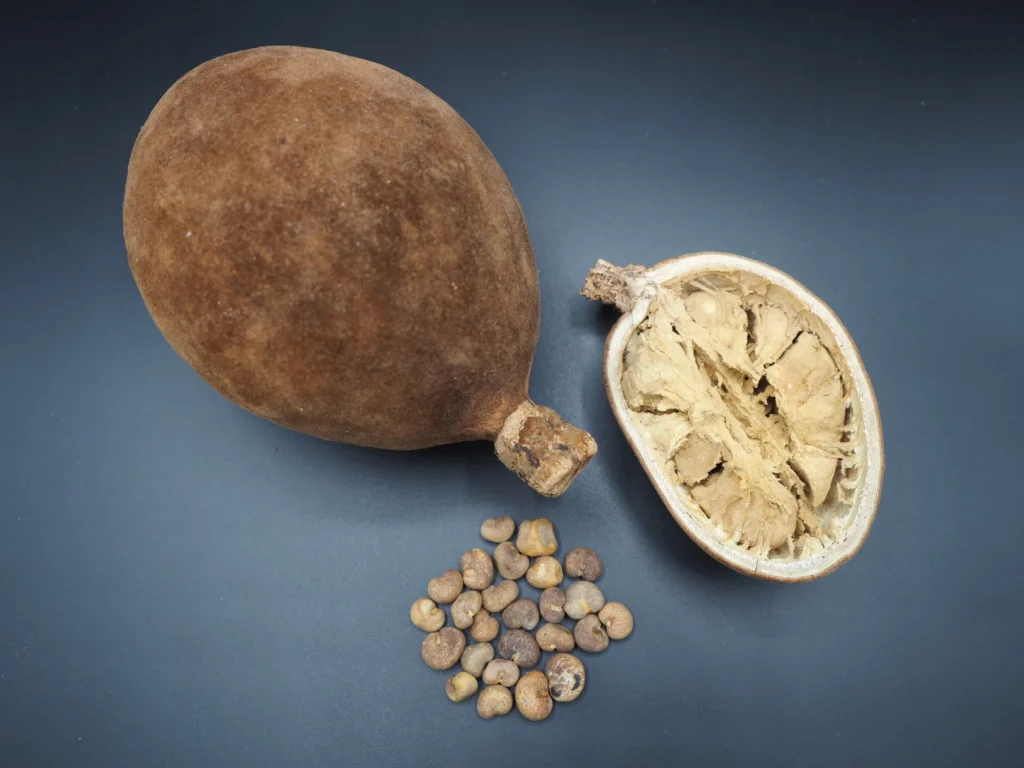
Baobab powder has rapidly become a global superfood trend, prized for its rich nutrient profile including vitamin C, fiber, antioxidants, and essential minerals. However, to unlock its full health benefits, bioavailability and solubility are crucial factors. Consumers and manufacturers alike demand baobab powder that not only offers potent nutrition but also dissolves easily in liquids for enhanced absorption. Improving these properties ensures baobab’s active compounds are readily available for the body, making it an ideal ingredient for functional foods, beverages, and nutraceuticals. In this article, we will also explore why Jet mill technology by EPIC powder excel for baobab powder milling.
How Particle Size Directly Impacts Nutrient Release and Functional Application
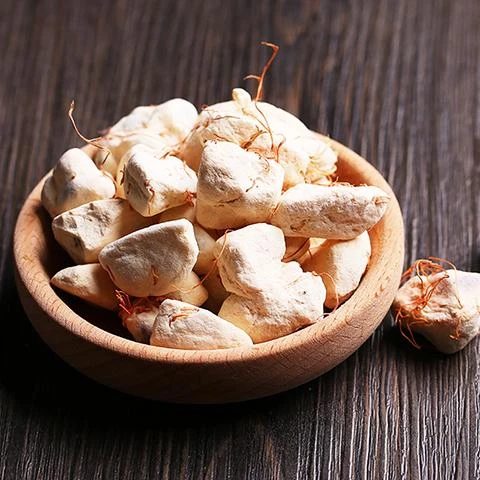
Particle size plays a pivotal role in maximizing the potential of baobab powder. Ultrafine milling reduces particle size significantly, improving surface area and allowing nutrients to be released more efficiently in the digestive system. Smaller particles dissolve better, enhancing dispersion in smoothies, drinks, and fortified products. Moreover, uniform and fine particles contribute to smoother texture and consistent quality, essential for premium formulations. Thus, controlling particle size is key for superior nutraceutical powders that meet market expectations for effectiveness and sensory appeal.
The Functional Advantages of Ultrafine Baobab Powder (D90 11.2μm)
Enhanced Bioavailability: Maximizing Nutrient Absorption
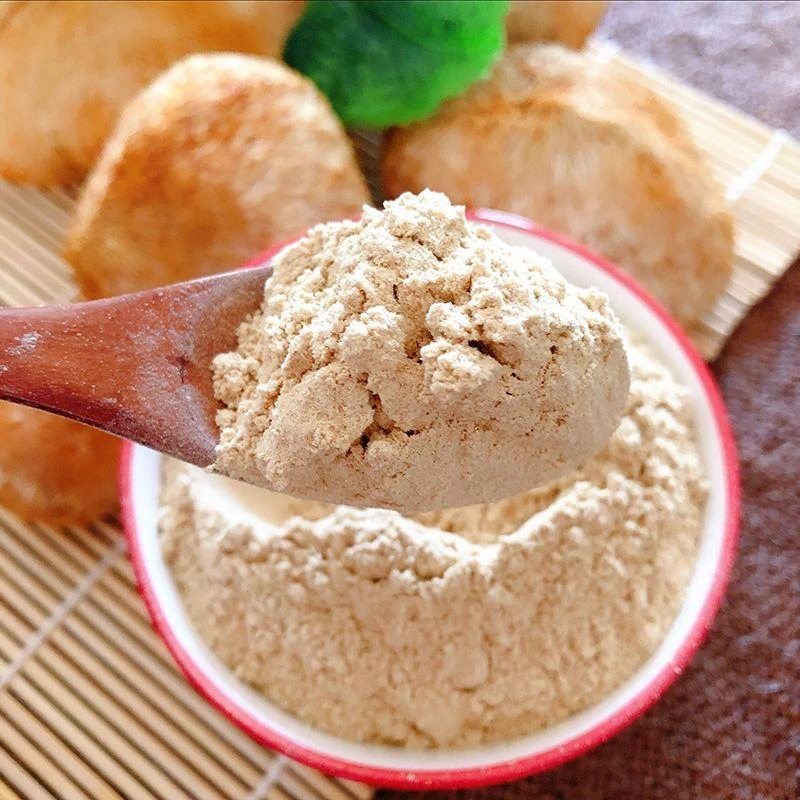
Ultrafine baobab powder with a D90 of 11.2μm means smaller particles that your body can absorb more efficiently. This fine size increases the surface area, helping the nutrients—like vitamin C, calcium, and antioxidants—release faster and easier during digestion. The result is better bioavailability, allowing consumers to get the most from this superfood powder, whether in supplements or functional foods.
Superior Solubility and Dispersion for Smoothies, Beverages, and Fortified Foods
Fine milling improves how well baobab powder dissolves and disperses in liquids. This means when added to smoothies, juices, or fortified products, it blends smoothly without clumping or settling. The ultrafine texture supports stable suspensions and clear drinks, enhancing product appeal. Brands benefit by delivering consistent taste and nutrient delivery in every serving.
Improved Texture and Mouthfeel: The Key to Premium Product Formulation
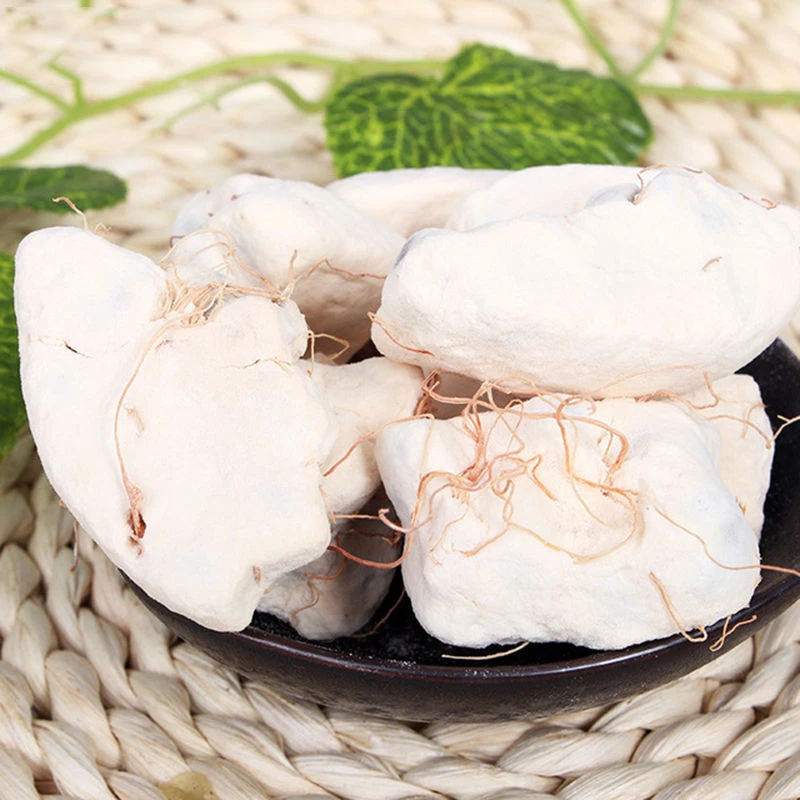
The ultrafine particle size creates a silky texture, contributing to a pleasant mouthfeel that consumers notice. This smooth consistency is essential for premium formulations in health foods and beverages. It prevents gritty or powdery sensations, which can undermine product quality. Using jet-milled baobab powder helps formulators craft superior products that stand out in the nutraceutical market.
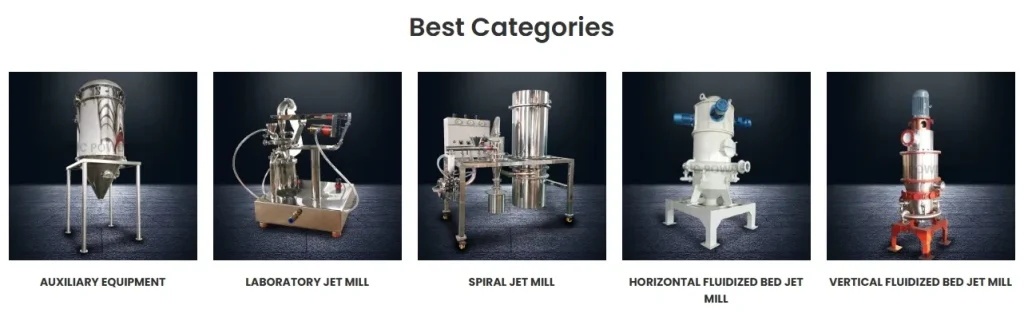
For guaranteed purity and consistency in ultrafine baobab powder production, many turn to specialized equipment like the Epic Powder MQW60 Jet Mill, which has proven its capability to produce finely classified powders. Learn more about how this jet mill technology benefits superfood milling in our detailed case studies.
The Ideal Technology: Why Jet Mills Excel for Baobab Milling
Principle of Purity: Contamination-Free Grinding for Food-Grade Powders
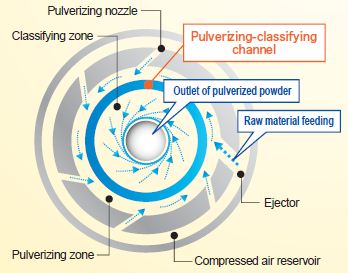
Jet mill technology stands out because it ensures contamination-free grinding, a must-have for high-quality baobab powder used in nutraceuticals. Unlike mechanical mills, jet mills use high-speed gas streams to pulverize particles without metal-to-metal contact. This keeps the baobab powder pure, meeting strict food safety standards and preserving its natural integrity. For food-grade applications, this principle of purity is essential to maintain the baobab’s bioactive compounds without introducing impurities.
Gentle, Low-Temperature Processing: Preserving Heat-Sensitive Vitamins and Antioxidants
Baobab is packed with heat-sensitive vitamins and antioxidants that can degrade with traditional milling methods that generate heat. Jet mills operate using airflow and pressure rather than friction, which means the milling happens with minimal temperature rise. This gentle, low-temperature process protects the nutritional quality of baobab powder, ensuring maximum retention of its health-promoting ingredients—vital for superior nutraceutical powder production.
Intrinsic Classification: Achieving a Narrow, Consistent Particle Size Distribution
One of the biggest advantages of jet milling is its built-in classification system. This allows for precise control over the particle size distribution, producing ultrafine baobab powder with a consistent D90 of around 11.2μm. A narrow particle size range improves solubility, bioavailability, and texture in end products like smoothies and fortified foods. Technologies similar to those used in ultra-fine grinding of silica powders enable this level of consistency, which is hard to match with other milling methods. For a closer example of precise particle size control, you can explore ultra-fine grinding run with the MQW series here.
Performance in Focus: The MQW60 Jet Mill for Baobab
Model Spotlight: Capabilities of the Epic Powder MQW60 Jet Mill
The Epic Powder MQW60 Jet Mill stands out as an ideal solution for ultrafine milling of baobab powder. Designed for precision and consistency, this model leverages advanced jet mill technology to grind baobab with minimal heat generation, preserving its vital nutrients and antioxidants. Its built-in classifier ensures a narrow particle size distribution, enabling the reliable production of superfine powder tailored specifically for nutraceutical uses.
Documented Results: Reliably Producing Powder with D90 of 11.2μm
One of the most significant achievements with the MQW60 is its ability to consistently produce baobab powder with a D90 around 11.2μm. This ultrafine particle size directly enhances bioavailability and solubility—key factors for superior nutrient release. The uniformity in particle size also improves powder flow and integration in food and beverage formulations, ensuring premium quality nutraceutical products every batch.
Scalable Output: Sustainable Production at 120 kg/h
Meeting growing global demand requires not just quality but also volume. The MQW60 jet mill delivers scalable output at a steady 120 kilograms per hour, balancing productivity with energy efficiency. This capacity supports both small-scale pilot projects and full-scale commercial production. Operators benefit from smooth scale-up transitions without compromising powder purity or particle size, aligning perfectly with modern nutraceutical manufacturing needs. For reference on similar scalable jet mill operations, exploring the details behind the zirconia jet mill production line can provide helpful insights into maintaining product consistency at scale.
Technical Parameters and Process Optimization
Key to Fineness: Controlling Grinding Pressure and Feed Rate
Achieving the ultrafine particle size of Baobab powder (D90 11.2μm) depends heavily on precise control of grinding pressure and feed rate in the jet mill process. Higher grinding pressure increases particle collision speed for finer particles, while feed rate controls material load—too fast reduces fineness, too slow lowers throughput.
| Parameter | Effect on Fineness | Suggested Range |
|---|---|---|
| Grinding Pressure | Higher pressure = finer particles | 0.3 – 0.6 MPa |
| Feed Rate | Balanced for steady, controllable flow | 20 – 40 kg/h (adjustable) |
Fine-tuning these parameters ensures that Baobab powder reaches superior bioavailability and consistent solubility needed for premium nutraceuticals.
Ensuring Consistency: The Role of the Integrated Classifier in the MQW60
A standout feature of the MQW60 Jet Mill is the built-in classifier, which expertly sorts particles by size as they pass through. This guarantees:
- A narrow particle size distribution around the D90 11.2μm target,
- Reduced need for regrinding or blending,
- Consistent powder quality batch after batch.
This precise classification boosts product reliability and functional performance in end applications like smoothies and fortified foods. For more on how jet mill classifiers enhance particle control, see our guide on ultrafine activated carbon grinding with an air classifier mill.
Optimizing for Yield and Energy Efficiency in Nutraceutical Powder Production
Balancing high-quality Baobab powder production with energy use and overall yield is critical. The MQW60 is designed to optimize:
- Yield: Minimal oversize and fines result in up to 95% yield of target-grade powder.
- Energy efficiency: Low-temperature jet milling consumes less power compared to conventional mechanical mills.
- Production stability: Consistent operation reduces downtime, saving costs on large-scale processing.
These efficiencies make the MQW60 an excellent choice for global nutraceutical manufacturers aiming for scalable, sustainable Baobab powder production without compromising purity or function. For broader insights, check out our article on jet milling a versatile and efficient method for fine grinding.
The Epic Powder Advantage: Tailored Milling Solutions for Superfoods

Engineered for Purity: GMP-Compatible, Sanitary Design Considerations
At Epic Powder, we understand that when milling baobab powder for nutraceutical use, purity and hygiene are non-negotiable. That’s why our jet mills are designed with GMP-compatible, sanitary construction principles. Every surface that touches your baobab powder is made to prevent contamination and easy to clean, ensuring food-grade quality from start to finish. This focus on purity means your ultrafine baobab powder maintains its natural nutrient profile, free from unwanted particles or impurities. Such precision milling guarantees a clean, safe end product that meets strict health and safety standards demanded by global markets.
From Lab to Production: Scalable Solutions with the MQW60 Series
Moving from small-scale testing to full production often challenges many manufacturers, but with the Epic Powder MQW60 jet mill, scalability is straightforward. The MQW60 model is engineered to maintain the exacting D90 11.2μm particle size consistently while supporting sustainable throughput up to 120 kg/h. This means you can seamlessly scale your baobab powder production without sacrificing quality or functional performance. Whether you’re producing samples for R&D or large batches for commercial distribution, the MQW60 offers reliable operation and easy process control, keeping your powder uniform and ready for use in any nutraceutical application.
Partnership Approach: Co-Developing Processes for Optimal Powder Functionality
We don’t just sell milling equipment — we collaborate closely with you to fine-tune every aspect of the ultrafine milling process. At Epic Powder, our team partners with clients to customize grinding parameters, optimize feed rates, and refine classifier settings to maximize the functional qualities of baobab powder. This hands-on approach helps ensure superior solubility, bioavailability, and texture tailored to your product needs. By co-developing milling processes, we help you innovate faster and create powders that stand out in the competitive superfood and nutraceutical markets. Learn more about how our expertise and GMP-focused designs deliver high-quality powders on our Epic Powder jet milling solutions page.
Common Questions on Baobab Powder Milling (Q&A)
Jet Mill vs. Mechanical Mill: Which is Better for Preserving Nutrient Integrity?
When it comes to milling baobab powder, preserving nutrient integrity is crucial, especially for nutraceutical applications. Jet mills outperform mechanical mills because they use high-velocity air streams instead of metal blades or rollers. This means less heat generation during grinding, which helps protect delicate vitamins, antioxidants, and other heat-sensitive nutrients in baobab. The contamination-free environment in jet milling also keeps the powder pure, maintaining the superfood’s natural qualities. Mechanical mills often generate frictional heat and can cause nutrient degradation—and even introduce unwanted particles—making jet milling the superior choice for producing high-quality, bioavailable baobab powder.
How to Achieve and Maintain the D90 11.2μm Specification at Scale?
Consistently hitting and holding a D90 particle size of 11.2μm requires precise control over milling parameters. Key factors include:
Grinding pressure: Adjusting the air pressure optimizes the impact force for finer particles.
Feed rate: Controlling input material flow ensures uniform grinding and prevents overloading.
Integrated classification: Utilizing an inline classifier within jet mills like the MQW60 guarantees a narrow particle size distribution by separating fines from coarse particles in real time.
By fine-tuning these parameters and closely monitoring production, scalable and uniform ultrafine baobab powder can be produced efficiently. This is essential to meet global nutraceutical standards where bioavailability and solubility are non-negotiable for premium formulations. For a detailed example of scalable jet milling maintaining tight particle size control, see the fluidized bed jet mill production site.
Epic Powder
At Epic Powder, we offer a wide range of equipment models and tailor solutions to meet your specific needs. Our team has more than 20 years experience in various powders processing. Epic Powder is specialized in fine powder processing technology for mineral industry, chemical industry, food industry, pharama industry, etc.
Contact us today for a free consultation and customized solutions!

“Thanks for reading. I hope my article helps. Please leave a comment down below. You may also contact EPIC Powder online customer representative Zelda for any further inquiries.”
— Jason Wang, Senior Engineer