
Current Landscape of Powder Materials
Powder materials have come a long way from their traditional ferrous origins toward far more advanced alloys. Historically, steel powders dominated metal powder applications, primarily in conventional powder metallurgy processes like sintering and pressing. However, the evolution toward high-performance metal powders, including titanium, nickel superalloys, and aluminum alloys, has transformed the industry.
A significant driver of this rapid evolution is additive manufacturing powders. Additive manufacturing (AM), especially metal 3D printing techniques such as laser powder bed fusion (LPBF), has accelerated innovation by enabling complex geometries and custom alloys that traditional methods struggle to produce. This shift has opened new markets, particularly in aerospace, automotive, and medical sectors.
Despite these advances, several challenges remain:
Cost: Producing high-quality, spherical metal powders through processes like gas atomization is expensive, often limiting large-scale adoption.
Scalability: Meeting demand for advanced powders at volume, especially in emerging markets and new applications, requires scaling production without sacrificing quality.
Sustainability: Environmental concerns push manufacturers to develop low-carbon production methods and increase the use of recycled or bio-derived powders.
Supply Chain Resilience: The metal powder industry faces risks from raw material fluctuations, geopolitical tensions, and logistical constraints, making reliable sourcing critical.
Understanding this landscape is essential for stakeholders aiming to harness the potential of next-generation additive manufacturing powders and metal powder trends 2030. The industry’s focus is firmly on balancing innovation with cost-efficiency and sustainability to serve a global market that demands high-performance, lightweight, and environmentally responsible materials.
Top Promising Powder Materials for the Next Decade
Several powder materials stand out as game-changers for the next decade, driven by their unique properties and growing demand across industries.
Nickel-Based Superalloys (Inconel 718, M247): Renowned for outstanding high-temperature resistance, they’re essential in turbine engines and energy sectors. Emerging low-carbon variants aim to improve sustainability without sacrificing performance, aligning with metal powder trends 2030.
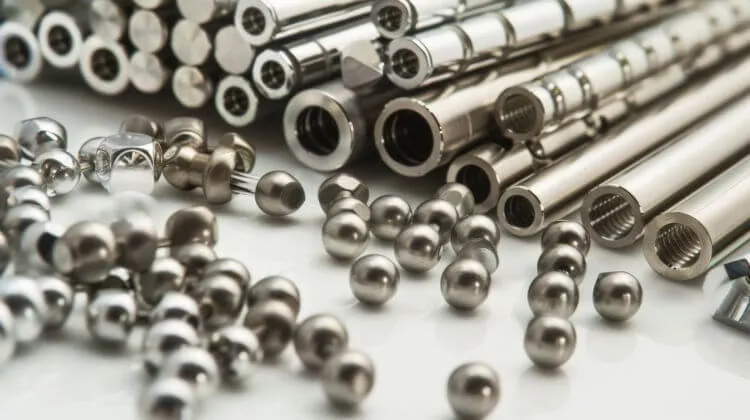
Aluminum and Aluminum Alloys (AlSi10Mg): Lightweight and strong, these powders are perfect for automotive and EV components. New formulations offer enhanced printable strengths, supporting the push for automotive lightweight powders in additive manufacturing.
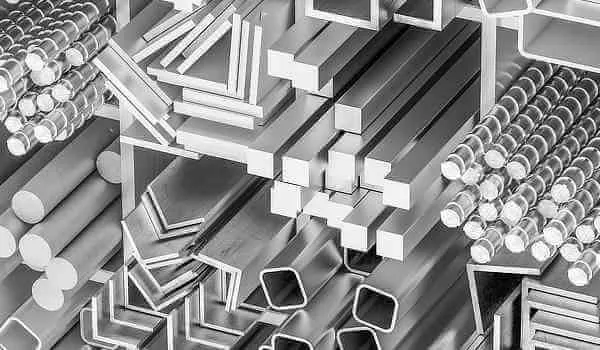
High-Performance Steels and Tool Steels: These remain dominant in automotive applications, with a noticeable shift towards low-emission and recycled variants to meet sustainability goals.
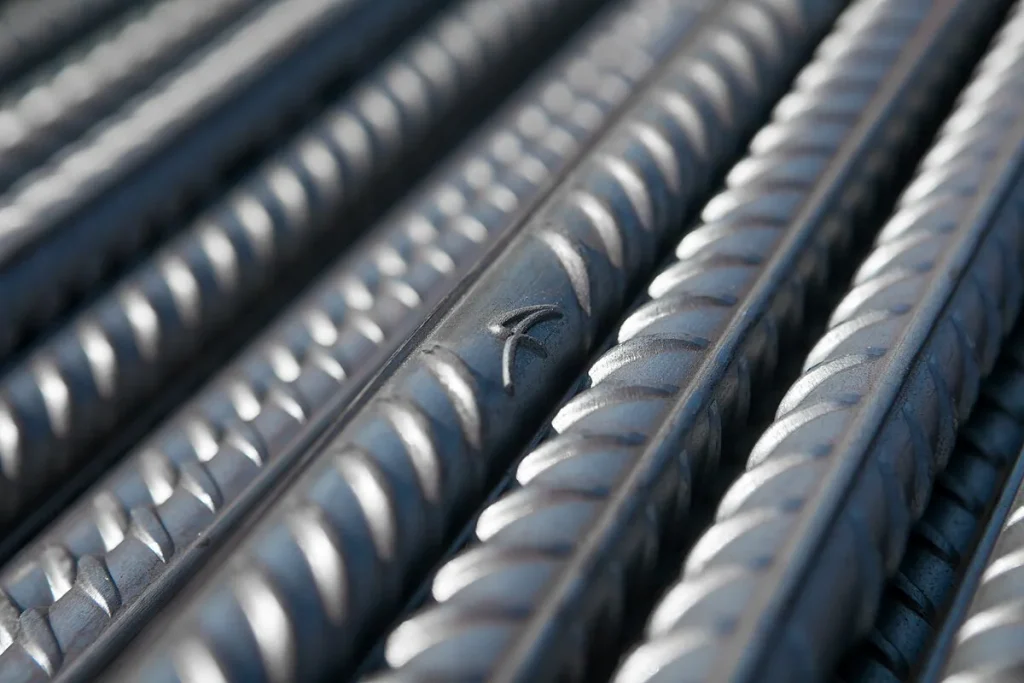
Cobalt-Chrome Alloys: Valued for biocompatibility, they’re widely used in medical implants and are growing in high-wear industrial parts due to their durability.
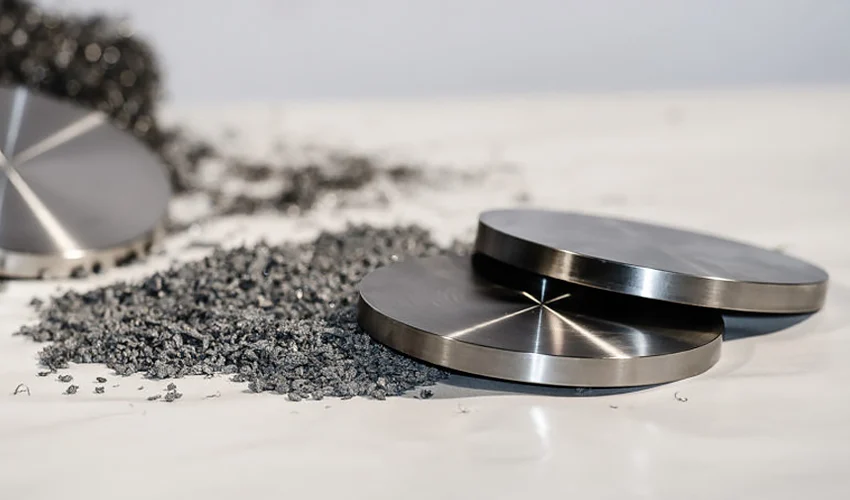
Copper and Copper Alloys: Key for thermal management in electronics and electrification, recent improvements in printability help overcome challenges like reflectivity, expanding their use in 3D printing metal materials.
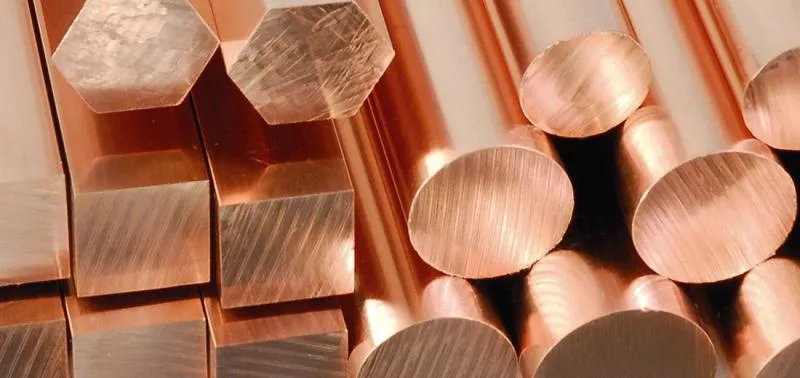
Advanced Composites and Emerging Materials: Metal matrix composites and sustainable options, including recycled or bio-derived powders, are gaining traction amid rising environmental concerns.
Battery-Related Powders: Silicon anodes, hard carbon composites, and other precursors are vital for next-gen energy storage solutions, powering growth in battery anode powders for solid-state and sodium-ion technologies.
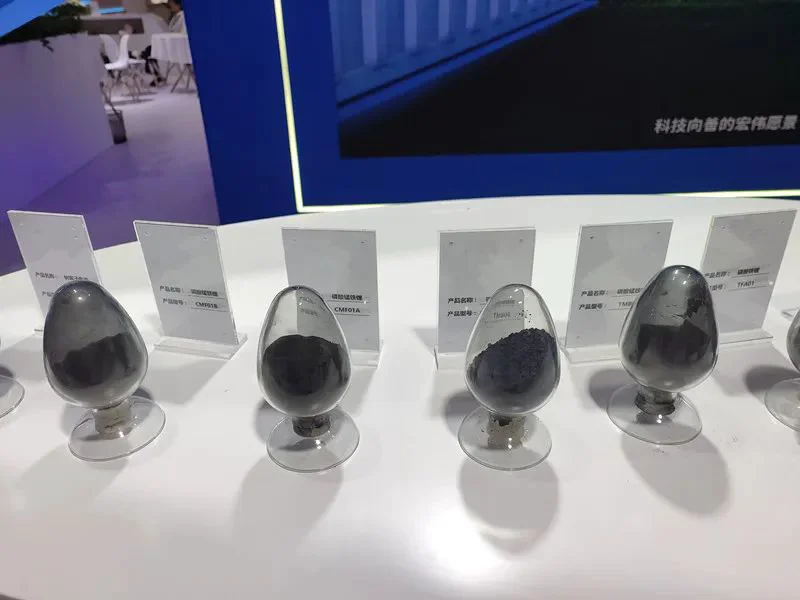
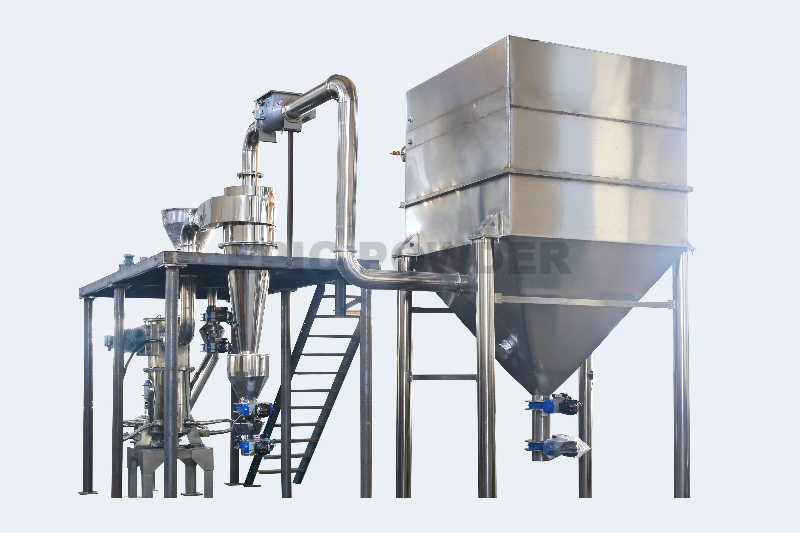
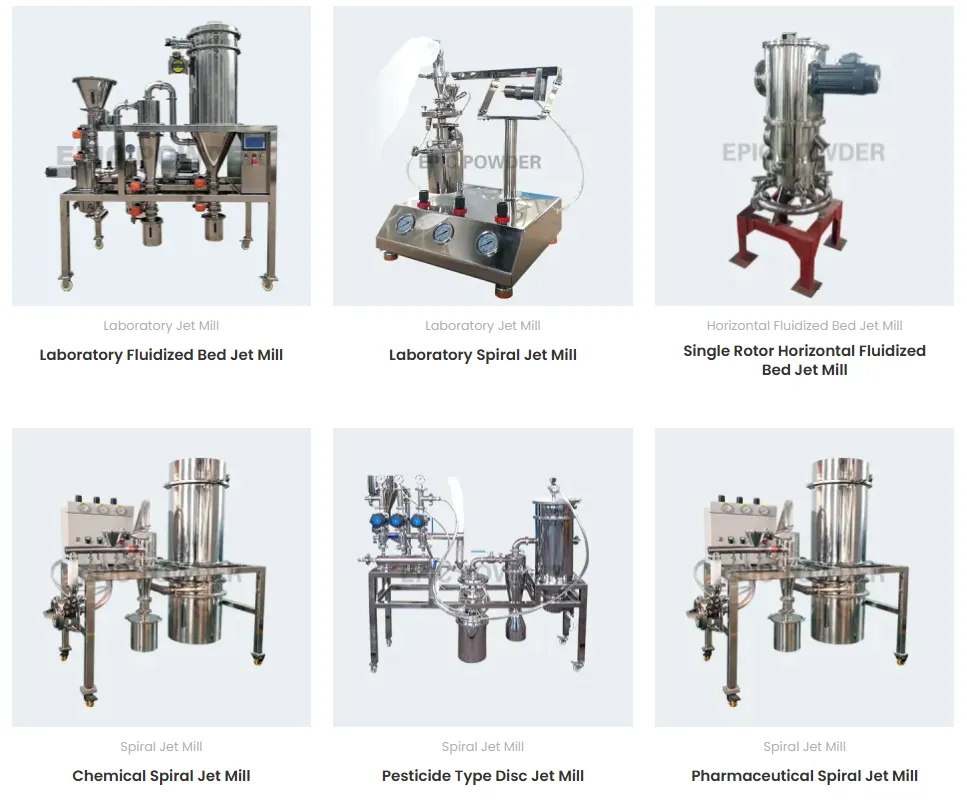
For those looking to source or develop these advanced powders, partnering with expert suppliers delivering high-purity, tailored solutions is critical to success. For example, specialized jet milling solutions enhance powder quality, as seen in the tailored grinding systems used in advanced resin production.
Explore more about how precise powder processing can empower your projects in emerging industries here.
Applications Driving Growth
Powder materials are powering growth across several key industries, thanks to their versatility and performance advantages.
Aerospace and Defense: The demand for complex, lightweight parts is booming. Titanium alloy powder and nickel superalloy powder are essential here, enabling stronger, lighter components for aircraft and defense systems.
Automotive and Electrification: Lightweight powders like aluminum alloys and high-performance steels are critical for gears, motors, and structural parts in electric vehicles. These materials help improve efficiency and extend battery life.
Energy Storage and Renewables: Advanced battery-related powders such as silicon anodes and hard carbon composites are driving innovation in solid-state and sodium-ion battery technologies. These powders are vital for higher capacity and longer-lasting energy storage. For example, lithium iron phosphate battery production lines using specialized grinding and milling techniques.
Medical and Healthcare: Biocompatible powders like cobalt-chrome alloys and titanium alloys enable customized implants and prosthetics that fit perfectly and last longer.
Industrial and Electronics: Copper alloys and refractory metal powders are increasingly used for heat sinks, high-precision tooling, and electronic components where thermal management and durability matter.
For those interested in enhanced powder processing techniques, exploring fluidized bed jet mill applications can improve particle size uniformity and powder quality, crucial for meeting stringent industry demands. This advancement supports diverse sectors from automotive to energy storage efficiently.
By focusing on these applications, powder materials continue to shape the future of manufacturing in a sustainable and innovative way.
Future Trends and Innovations in Powder Materials
Sustainability is taking center stage in powder metallurgy innovations. The push for high-reusability powders and recycled feedstocks is growing rapidly, helping reduce waste and lower the carbon footprint of metal powder production. Low-carbon manufacturing processes are also advancing, as industries strive to meet stricter environmental regulations while maintaining performance.
Process advancements are another key driver shaping the future. Techniques like ultra-high-temperature sintering and hybrid manufacturing are enabling stronger, more complex parts with better material properties. Meanwhile, AI-optimized alloys are becoming a game-changer, allowing faster development of tailored powders that fit specific industrial needs, from aerospace to automotive lightweight powders.
On the market side, growth forecasts look strong, with Asia-Pacific expected to lead in volume due to expanding manufacturing hubs, while North America and Europe focus on high-value, specialized powders. Projected CAGRs point to steady expansion, fueled by demand in additive manufacturing powders and battery anode powders.
Despite this optimism, challenges remain. Supply risks, such as raw material shortages and geopolitical factors, can disrupt availability. Strict purity requirements in high-performance metal powders demand tighter quality controls. Scaling production of advanced powders while keeping costs competitive is another hurdle. To tackle this, partnerships with reliable suppliers like Epic Powder help ensure consistent access to custom, high-purity spherical metal powders. Precise milling and production techniques that support powder manufacturing, consider specialized jet mill production lines used in similar high-demand industries. They improve particle size and flowability for optimal results (single crystal ternary material jet mill production line). By embracing these sustainable and technological trends, the powder materials market is well-positioned to meet the demands of the next decade.
How to Choose and Source Promising Powder Materials
Selecting the right additive manufacturing powders is critical for success. Here are key factors to consider:
| Factor | Why It Matters |
|---|---|
| Particle Size | Affects layer thickness and surface finish in 3D printing. Smaller sizes improve detail but may reduce flowability. |
| Sphericity | Spherical powders flow better, ensuring consistent layering and better packing density. |
| Flowability | Smooth powder flow prevents clogging and improves process stability in methods like LPBF or binder jetting. |
| Process Compatibility | Powders need to match the technique—LPBF, binder jetting, or others—for optimal melting and sintering behavior. |
Beyond technical specs, sourcing from trusted suppliers like Epic Powder ensures access to high-purity, custom-tailored metal powders. Their expertise in manufacturing spherical and gas atomized powders delivers reliable material quality, crucial for demanding sectors such as aerospace and medical implants.
For advanced applications, you can find tailored powder solutions that meet stringent purity and performance standards, supporting innovations in titanium alloy powder, nickel superalloy powder, and sustainable powder production. For more on precision powder processing, check out custom jet milling solutions that guarantee consistent particle size and purity.
Epic Powder
Our team has more than 20 years experience in Various powders processing. Epic Powder is specialized in fine powder processing technology for mineral industry, chemical industry, food industry, pharama industry, etc. We are a professional supplier of powder processing projects, especially powder milling, powder classifying, powder dispersing, powder classifying, powder surface treatment and waste recycling. We supply consultancy, testing, project design, machines, commissioning and training.

“Thanks for reading. I hope my article helps. Please leave a comment down below. You may also contact EPIC Powder online customer representative Zelda for any further inquiries.”
— Posted by Emily Chen, Senior Engineer