
Understanding the Fluidized Bed Jet Mill Mechanism
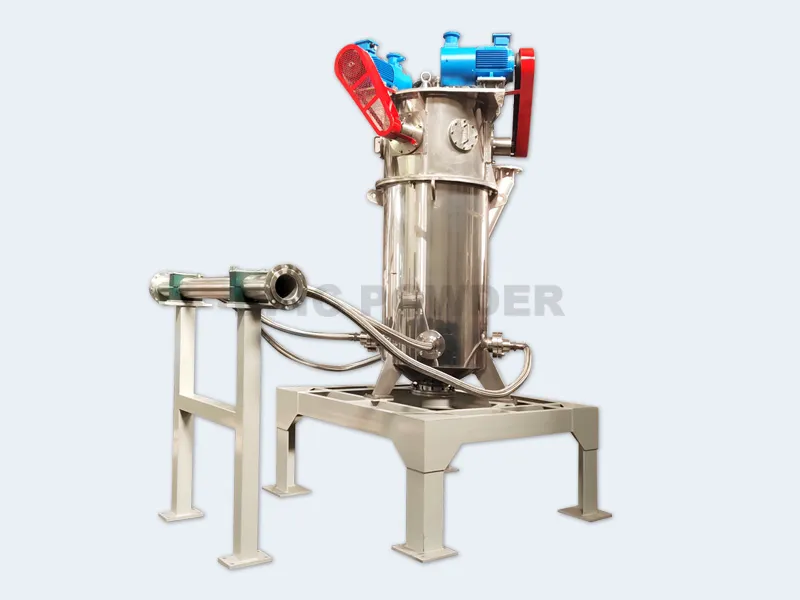
When we process Lithium Iron Phosphate (LFP), purity and consistency are non-negotiable. We rely on the Fluidized Bed Jet Mill over traditional spiral mills because it solves the two biggest headaches in battery material production: contamination and irregular wear. Spiral mills often grind material against the chamber walls, leading to high equipment wear and metallic pollution.
In contrast, our fluidized bed design focuses the energy into the center of the chamber. This setup allows us to install comprehensive ceramic linings or polyurethane coatings on the inner walls, ensuring the cathode material never touches metal. For high-spec battery applications, this architecture is the only way to guarantee the purity required for optimal electrochemical performance.
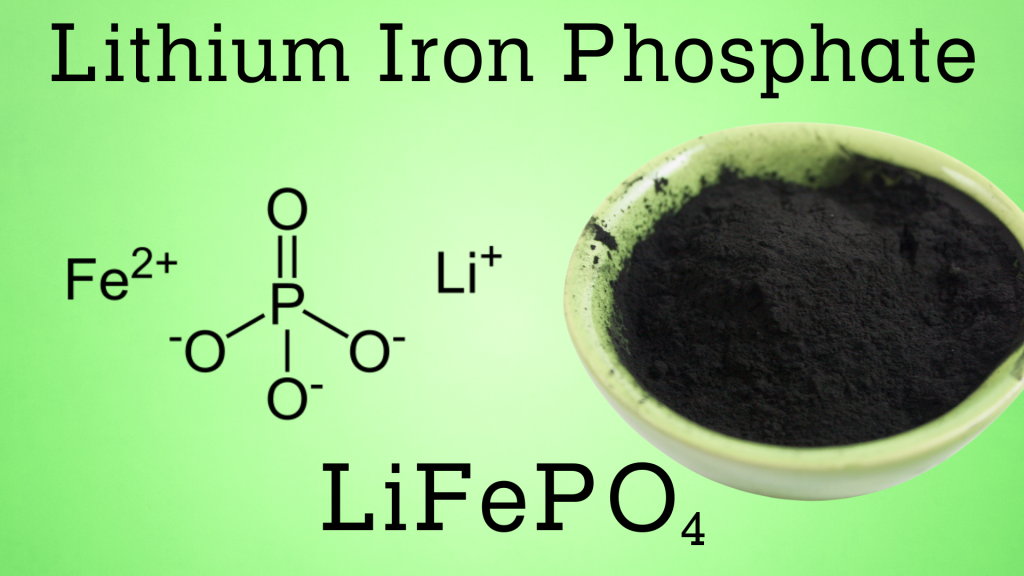
The Physics of Particle-to-Particle Self-Grinding
The core advantage of our system lies in particle-to-particle self-grinding. We don’t use grinding media like beads or balls. Instead, we inject compressed air through nozzles to create supersonic airflow. This accelerates the LFP particles, causing them to collide with each other at high velocities in the center of the fluidized bed.
The crushing force comes from the mass and speed of the particles themselves. Since the material isn’t being crushed by heavy steel components, we maintain better particle morphology. The abrasive LFP wears down itself, not our machine parts.
Role of the Turbine Classifier as the Size Gatekeeper
The Turbine Classifier is the brain of the operation. Located at the top of the grinding chamber, this horizontal wheel determines exactly which particles are fine enough to leave the system and which ones need more work.
It operates on a balance of forces:
Centrifugal Force: Generated by the spinning wheel, throwing coarse particles back down.
Drag Force: Generated by the airflow, pulling fine particles out.
By utilizing frequency conversion control, we can precisely adjust the speed of this wheel. If a particle is too large, the centrifugal force rejects it, sending it back to the fluidized bed for further grinding. Only when the particle meets our specific Particle Size Distribution (PSD) requirements does the drag force overcome the centrifugal force, allowing it to pass through to the pulse dust collector. This ensures we achieve a steep PSD curve without “coarse tails” (high D90) that ruin battery density.
Adjusting Classifier Wheel Speed
How RPM Impacts Centrifugal Force and Fineness
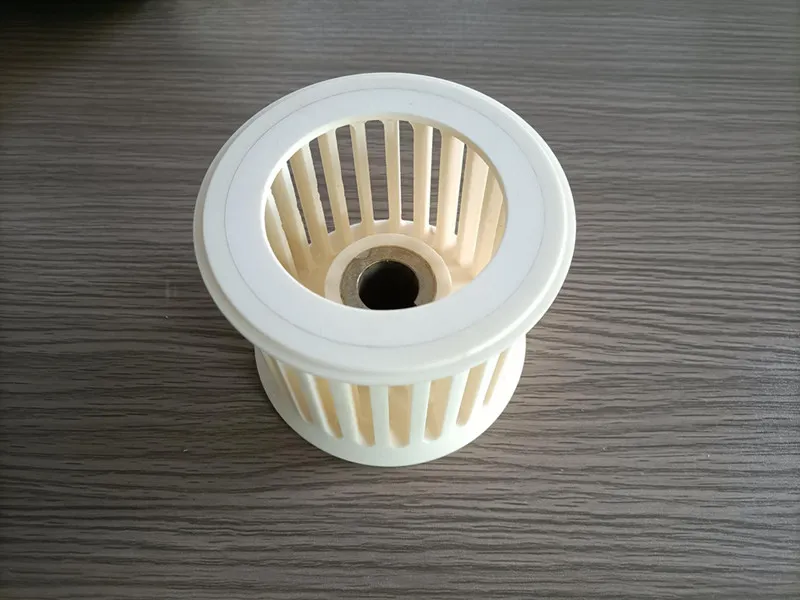
In our Air Jet Mill systems, the classifier wheel acts as the ultimate gatekeeper for particle size. It dictates exactly what leaves the chamber and what gets sent back for further pulverization. By adjusting the Classifier wheel speed (RPM), we directly manipulate the centrifugal force field within the grading zone.
When we increase the speed, the centrifugal force strengthens, creating a tougher barrier that rejects coarse particles. Only the finest particles, which are light enough to be carried by the drag force of the airflow, can pass through. Conversely, lowering the RPM allows larger particles to escape. This mechanism is vital for Lithium Iron Phosphate (LFP), where consistent particle size directly influences the battery’s final electrochemical performance.
Modulating Frequency to Shift D50 and D97 Values
We utilize precise frequency conversion control to manage the classifier motor. This isn’t about guesswork; it is about engineering precision. By modulating the frequency, we can shift the D50 and D97 values of the final powder with high accuracy.
High Frequency: Shifts the curve towards finer particles (lower D50).
Low Frequency: Shifts the curve towards coarser particles.
This capability allows us to customize the Particle Size Distribution (PSD) to meet specific customer requirements, whether they need a narrow distribution for high-power cells or a broader one for energy density. Similar precision is required when determining how to select the best air jet mill for NdFeB powder, where magnetic properties rely heavily on exact particle uniformity.
Balancing Speed to Avoid Over-Cutting
While higher speeds produce finer powders, there is a limit. Running the classifier too fast can lead to over-grinding, generating excessive “fines” (ultra-fine dust) that negatively impact the tap density of the LFP material. Over-cutting also reduces the overall throughput of the mill, leading to yield loss. We focus on finding the optimal RPM balance—fast enough to meet the 325 to 3000 mesh requirements, but controlled enough to maintain high capacity and material integrity.
Regulating Grinding Pressure for LFP
Controlling the grinding pressure is essentially managing the kinetic energy within the milling chamber. In our Fluidized Bed Jet Mill, compressed air is accelerated through nozzles to create a supersonic airflow. This airflow drives the Lithium Iron Phosphate (LFP) particles to collide with each other. The goal is to generate enough force to pulverize the material to the desired fineness without shattering the crystal structure integrity that is vital for electrochemical performance.
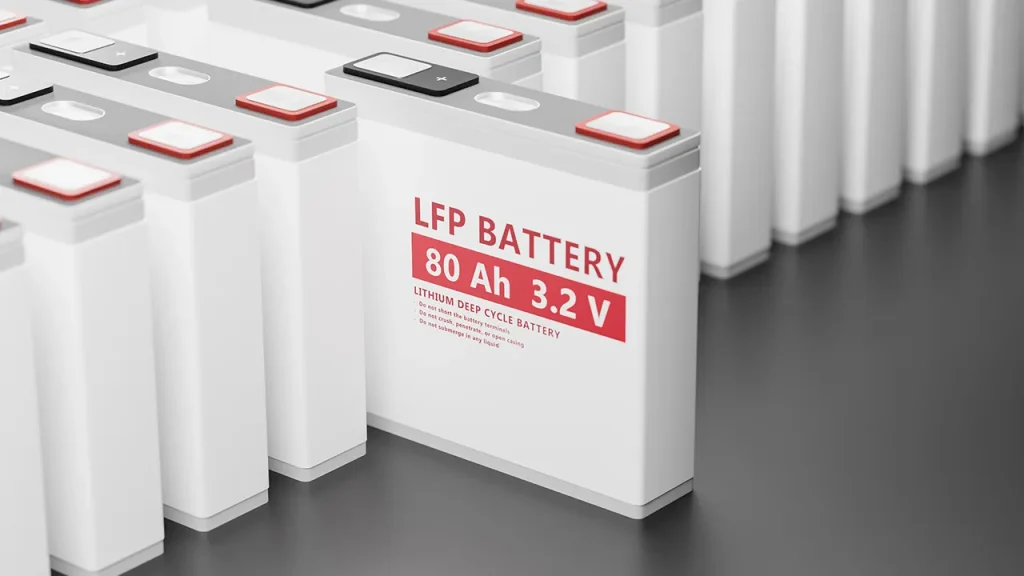
Kinetic Energy vs. Crystal Structure
If the pressure is too low, the particles won’t have enough kinetic energy to break upon impact, leading to low efficiency and coarse output. However, excessive pressure can be detrimental. Over-grinding not only wastes energy but can also damage the surface morphology of the LFP particles. Just as we see when defining the core parameters of graphite as an anode material, precision in pressure settings is non-negotiable for maintaining the quality of battery components. We must find the balance where particles grind themselves (self-grinding) effectively while preserving the material’s inherent properties.
Optimal Operating Ranges
For most LFP applications, we find the sweet spot for grinding pressure typically falls between 0.6 and 0.8 MPa.
0.6 MPa: Often used for slightly coarser requirements or more fragile precursor materials.
0.8 MPa: utilized when targeting ultra-fine particle sizes (D50 < 2μm) or when processing harder sintered materials.
Staying within this range ensures a stable supersonic airflow that maximizes the probability of particle-to-particle collisions at the focal point of the chamber.
Adjusting Nozzle Geometry
Beyond just the pressure setting, the physical design of the nozzle plays a massive role in impact intensity. We can adjust the nozzle geometry and angle to focus the kinetic energy more precisely.
Focal Point Alignment: Ensuring all nozzles converge at the exact center of the fluidized bed maximizes collision efficiency.
Nozzle Diameter: Changing the diameter alters the velocity of the air stream. Smaller nozzles generally increase velocity (and impact force) for a given pressure, which is crucial for achieving finer Particle Size Distribution (PSD).
Managing Feed Rate Stability
Consistency is the name of the game when processing Lithium Iron Phosphate (LFP). You cannot achieve a uniform Particle Size Distribution (PSD) if your input fluctuates. In my experience, maintaining a constant gas-to-solid ratio is just as critical as the grinding pressure itself. The energy provided by the compressed air must be distributed evenly across the particle mass; if the feed rate spikes, the energy per particle drops instantly, leading to inconsistent and coarser powders.
Consequences of Chamber Overload:
Loss of Fineness: Overloading the grinding chamber creates a “cushioning” effect. Particles are too crowded to accelerate properly, reducing the impact force needed for effective pulverization.
Unstable D90 Values: When the chamber is stuffed, the internal classifier struggles to reject coarse particles effectively, causing the D90 values to drift upward and ruining the batch quality.
Equipment Choking: Excessive material buildup disrupts the airflow balance, potentially stalling the system and requiring downtime to clear.
To solve this, we rely heavily on PLC automation control. Manual adjustment simply isn’t fast enough for high-performance cathode materials. By using PLC-controlled screw feeders, the system automatically modulates the feed speed based on the mill’s current load (often by monitoring the classifier motor current or internal pressure). This ensures equilibrium, allowing the internal classification system to operate with the precision of a dedicated air separator. This automated regulation guarantees that the LFP receives consistent kinetic energy throughout the run, stabilizing the final particle size and preventing over-grinding or under-grinding.
Controlling System Airflow and Drag Force
The airflow generated by the system’s induced draft fan is the vehicle that carries your LFP powder out of the grinding chamber and into the collection system. Managing this airflow is just as critical as setting the wheel speed because it directly influences the drag force acting on the particles. In our air jet mill systems, we treat the airflow volume as a precise variable, not just a constant setting.
To achieve the target Particle Size Distribution (PSD), we have to balance two opposing forces within the classifier:
Centrifugal Force: Generated by the spinning classifier wheel, this force throws heavier, coarser particles toward the outer wall to be re-ground.
Aerodynamic Drag Force: Created by the suction of the draft fan, this force pulls lighter, finer particles through the classifier vanes for collection.
When we increase the air volume via the draft fan, the drag force increases. This allows slightly larger particles to overcome the centrifugal force and exit the mill, potentially shifting the particle size coarser. Conversely, reducing the airflow strengthens the relative effect of the centrifugal force, resulting in a finer product but potentially lower throughput. This delicate balance is the core of our classifying and separating technology, ensuring that only LFP particles meeting your exact specifications are extracted while maintaining efficient production rates.
Optimizing Particle Size Distribution (PSD) and Density
In battery material processing, consistency is just as critical as fineness. We focus heavily on achieving a narrow particle size distribution (PSD), often referred to as a “steep” curve. This ensures that the majority of the Lithium Iron Phosphate (LFP) particles cluster tightly around the target D50 value, rather than having a wide spread of ineffective coarse grains or unstable ultra-fines. Our specialized production line of Lithium Iron Phosphate utilizes high-precision frequency classifiers to mechanically reject off-spec particles, ensuring a uniform output that enhances electrochemical performance.
Balancing Shape and Capacity
Controlling the shape of the particle is vital for improving Tap Density. If the particles are too irregular or flaky, they will not pack efficiently, lowering the volumetric energy density of the final battery cell.
Particle-to-Particle Collision: Unlike mechanical mills that shear materials, our fluidized bed jet mills rely on particles colliding with each other. This self-grinding action helps smooth out sharp edges, contributing to a better packing factor.
The Fineness Trade-off: There is always a balance to strike. Grinding to an ultra-fine level (up to 3000 mesh) increases the specific surface area (BET), which is good for conductivity. However, excessive fineness can destroy tap density. We help operators find the “sweet spot” where the powder is fine enough for high reactivity but dense enough to maximize energy storage.
Ensuring Purity with Ceramic Linings
When we process Lithium Iron Phosphate (LFP), achieving the precise particle size is only half the battle; maintaining absolute purity is the other half. There is no point in reaching a perfect D50 if the powder is contaminated with metal shavings. In the battery industry, introducing trace metallic elements like Iron (Fe), Chromium (Cr), or Nickel (Ni) is disastrous for electrochemical performance and can lead to short circuits. To eliminate this risk, we equip our air jet mills with comprehensive ceramic linings.
Instead of exposing the material to standard steel components, we utilize high-wear-resistant materials like Alumina (aluminum oxide) and Zirconia to line the entire interior of the equipment. This is critical because the pulverization process relies on violent, high-speed impact to break down the particles. By covering the grinding chamber and the centrifugal classifier wheel with these advanced ceramics, we ensure that the LFP material only ever comes into contact with itself or the ceramic surface, never the machine’s metal body. This configuration allows us to aggressively control particle size through high-pressure grinding while guaranteeing that the final powder remains free from metallic pollution.
Managing the Inert Gas Atmosphere
When processing sensitive battery materials like Lithium Iron Phosphate, we cannot rely on standard ambient air due to the high risks of oxidation and moisture absorption. To solve this, we implement inert gas protection within our grinding circuits. By utilizing a fully sealed, closed-loop design in our jet mill systems, we ensure the material maintains its critical electrochemical properties throughout the pulverization process.
Key controls for atmospheric stability include:
We replace standard compressed air with Nitrogen as the grinding medium. This creates an oxygen-deficient environment that prevents the LFP powder from oxidizing or reacting during high-energy impact. We integrate precision sensors to continuously track oxygen levels inside the chamber. The system is set to maintain extremely low Oxygen PPM levels, ensuring the purity of the cathode material is never compromised. LFP is highly sensitive to water. Our closed-loop system strictly regulates humidity, preventing LFP degradation and ensuring the final powder remains dry and free-flowing.
Troubleshooting LFP Milling Problems (FAQ)
Even with top-tier equipment, operators face challenges when targeting ultra-fine specifications for battery materials. Here is how we address common issues to maintain a consistent Particle Size Distribution (PSD) and ensure the highest quality output.
Fixing High D90 Values
If your analysis shows a “tail” of coarse particles (high D90 values), the classifier wheel setup is usually the primary suspect.
Check Sealing: Ensure there is absolutely no leakage around the classifier seal. Even a microscopic gap allows coarse material to bypass the grading zone and enter the final product.
Adjust RPM: If the seal is intact, slightly increase the classifier speed. This generates higher centrifugal force, rejecting those larger particles back to the grinding zone for further processing.
Resolving Sudden Drops in Throughput
When production rates tank unexpectedly, the issue is often related to airflow management rather than the mill itself.
Filter Health: A clogged pulse dust collector increases back pressure, drastically reducing the suction needed to pull material through the system. Ensure the pulse blowing system is clearing the bags effectively.
System Equilibrium: Verify that the feed rate matches the discharge capability. Overloading the chamber chokes the airflow, killing efficiency. For real-world examples of optimized setups, review our chemical material processing cases.
Reducing Excessive Wear on the Classifier Wheel
Lithium Iron Phosphate (LFP) is hard and abrasive, which can eat up standard components if not managed correctly.
We strictly use ceramic linings (Alumina or Zirconia) for the wheel and chamber to resist abrasion and prevent iron contamination. An unstable feed causes fluctuations in chamber density, leading to uneven wear patterns. Use PLC automation to keep the load steady, protecting the wheel from high-impact surges and extending the service life of your equipment.
Epic Powder
Epic Powder is specialized in fine powder processing technology for mineral industry, chemical industry, food industry, pharama industry, etc. Our team has more than 20 years experience in Various powders processing and had ever designed and installed the biggest Jet Mill Line for ultra-fine barite powder production line in China.
We are a professional supplier of powder processing projects, especially powder milling, powder classifying, powder dispersing, powder classifying, powder surface treatment and waste recycling. We supply consultancy, testing, project design, machines, commissioning and training.

“Thanks for reading. I hope my article helps. Please leave a comment down below. You may also contact EPIC Powder online customer representative Zelda for any further inquiries.”
— Jason Wang, Senior Engineer