
1. The Solubility Challenge in Protein Powders
1.1. Why Solubility is a Critical Quality Metric
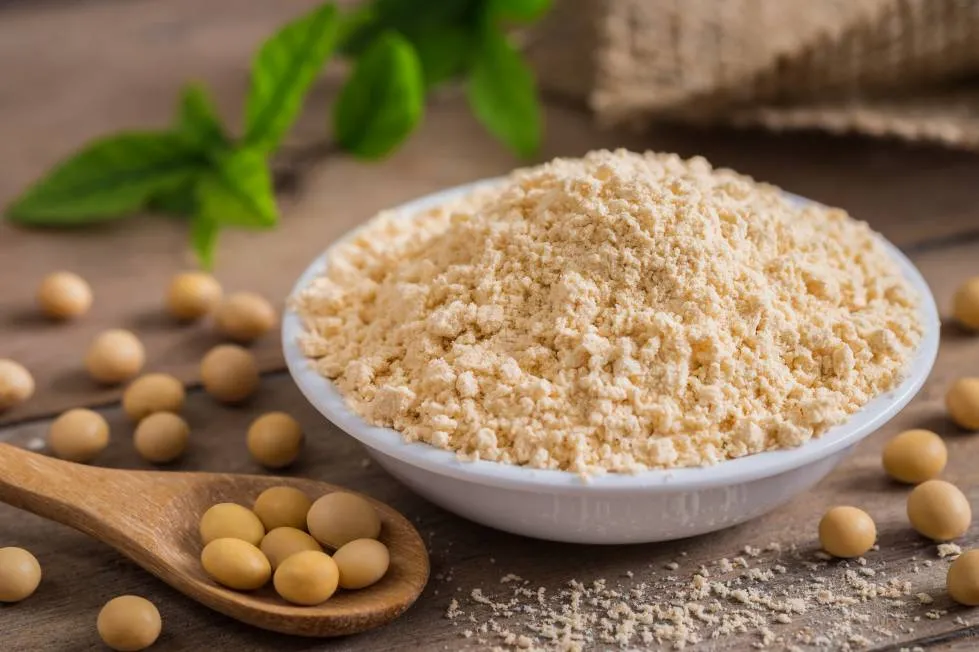
Solubility is a key quality metric for protein powders because it directly affects their consumer appeal and functional performance. High solubility ensures that protein powders dissolve quickly and completely in liquids, creating smooth, lump-free beverages. This improves user experience and product consistency, especially in sports nutrition, meal replacements, and dietary supplements. Moreover, better solubility enhances nutrient bioavailability and overall effectiveness of protein formulations. For manufacturers, solubility is an important indicator of powder processing quality and helps maintain brand reputation in a competitive global market. Jet milling uses powerful high-velocity airflow to grind protein powders into ultra-fine particles.
1.2. Common Factors that Impede Dissolution and Mixability
Several factors can reduce the solubility of protein powders, causing clumping, sedimentation, and poor mixability:
- Large particle size: Coarse particles dissolve slower and can create lumps.
- Surface hydrophobicity: Proteins with hydrophobic patches resist water hydration.
- Protein aggregation: Heat, shear, or processing-induced aggregation reduces solubility.
- Low water-binding capacity: Some plant-based proteins naturally absorb less water.
- Impurities and fillers: Additives or residual processing agents can hinder dissolution.
Addressing these challenges is essential for improving the functional properties of protein powders and meeting high consumer expectations worldwide. Jet milling offers a promising solution to overcome many of these solubility limitations without compromising protein quality.
2. Jet Milling: A Gentle, Contamination-Free Process
2.1. How High-Velocity Airflow Creates Ultra-Fine Particles
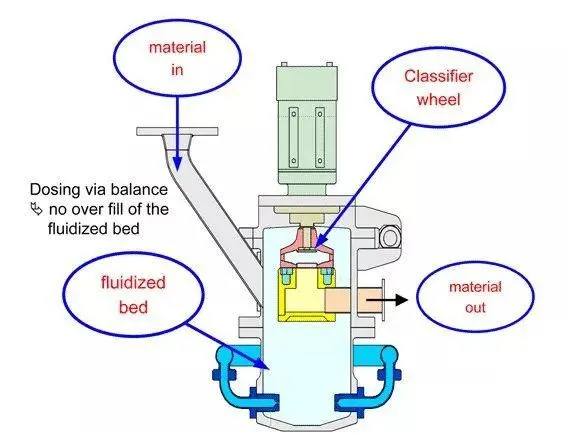
Jet milling uses powerful high-velocity airflow to grind protein powders into ultra-fine particles. This process involves accelerating the powder particles inside a specially designed milling chamber, where they collide with each other at high speeds. These collisions break down the particles without applying direct mechanical force, producing consistent fine powders that dissolve more easily. This method is especially effective for sensitive materials like proteins because it avoids harsh grinding, helping improve solubility and mixability in protein powders.
2.2. Key Advantages: No Heat Generation and Minimal Wear
One of the biggest benefits of jet milling is that it generates virtually no heat during processing. Unlike mechanical mills that create heat and friction, jet mills keep the temperature low, preserving the protein’s natural structure and nutritional value. Plus, since particles collide with each other rather than metal parts, there’s minimal equipment wear and lower risk of contamination. This gentle, contamination-free process means protein powders can be milled finely without compromising their quality or integrity. For companies looking to maintain high standards in protein functionality, jet milling offers a clean and efficient solution.
For those interested, a deep dive into the advantages of fluidized bed jet mill technology can provide more insight into how these systems achieve such fine particle control while ensuring product quality.
3. The Direct Link: Particle Size, Surface Area, and Solubility
3.1. How Reducing Particle Size Accelerates Dissolution
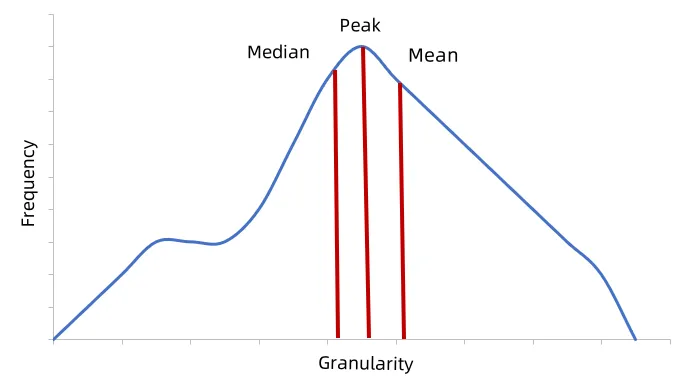
Reducing the particle size of protein powders is a proven way to speed up dissolution. Smaller particles dissolve faster because they require less time to hydrate and spread evenly in liquids. When you jet mill protein powders, the high-velocity air streams break down large clumps into ultra-fine particles that readily disperse. This means shakes and mixes become smoother and lump-free much quicker, solving one of the biggest solubility challenges.
3.2. The Role of Increased Surface Area in Hydration
Along with smaller size comes increased surface area—the key to better hydration. A larger surface area exposes more protein particles directly to water, improving interaction and absorption. This increased contact helps proteins swell and dissolve faster, which also enhances texture and mouthfeel. Jet milling boosts this effect without adding heat or shear stress, preserving protein quality while maximizing solubility. For more insight on the gentle, efficient process behind this improvement, check out our detailed overview of air jet milling as the preferred technology for ultrafine powder preparation.
4. Beyond Fineness: How Jet Milling Enhances Protein Functionality
4.1. Improving Dispersibility for Lump-Free Mixing
Jet milling doesn’t just reduce particle size—it significantly boosts the dispersibility of protein powders. By creating ultra-fine, uniform particles, jet milling helps protein powders mix smoothly without clumping. This means faster hydration and a lump-free texture in shakes or formulations, improving the overall user experience.
4.2. Preserving Protein Native Structure and Bioactivity
A key benefit of jet milling is its gentle process that avoids heat buildup. Unlike mechanical mills, jet milling minimizes shear and thermal stress, which helps preserve the protein’s native structure and important bioactive compounds. This ensures the protein powder retains its nutritional value and functional benefits after processing.
4.3. Achieving a Consistent, Desirable Particle Size Distribution
Jet milling offers precise control over particle size distribution, delivering a consistent product tailored to your needs. A narrow, well-defined particle size range improves solubility and ensures uniformity in every batch. This consistency is especially important for premium protein powders aiming for superior performance and quality.
Together, these functional enhancements mean jet milling can improve not only how well protein powders dissolve but also how they perform nutritionally and technologically in your products. For deeper insights on how jet milling compares to other grinding techniques in maintaining product integrity, exploring the differences between wet and dry grinding methods can be very useful.
5. Practical Considerations for Milling Protein Powders
5.1. Suitable Protein Types: Whey, Soy, Pea, and Plant Blends
Jet milling works well with a variety of protein powders like whey, soy, pea, and other plant blends. Each type has unique properties that affect milling performance and solubility:
| Protein Type | Notes on Milling Suitability | Typical Application |
|---|---|---|
| Whey | High solubility, benefits from finer particle size to enhance mixability | Sports nutrition, meal replacements |
| Soy | More fibrous, requires gentle milling to avoid heat damage | Vegan formulas, protein bars |
| Pea | Coarser texture, milling boosts dispersibility and reduces clumping | Plant-based powders, dietary supplements |
| Plant Blends | Variable composition, requires tailored milling parameters for consistency | Multi-source protein blends |
5.2. Optimizing Milling Parameters for Nutritional Integrity
To keep proteins nutritious and bioactive, milling settings need careful control:
- Use lower air pressure to avoid overheating
- Set classifier speed to target consistent particle size distribution
- Employ closed-circuit systems to reduce oxidation and contamination
- Limit residence time inside the mill
These steps ensure proteins stay functional, with no loss in nutritional value while improving solubility and mixability.
5.3. Hygiene and Contamination Control in Processing
Maintaining food-grade hygiene is a must during jet milling:
- Use GMP-compliant equipment with sanitary design
- Regular cleaning cycles prevent cross-contamination between batches
- Employ HEPA filters in air systems to keep airborne particles clean
- Use stainless steel or other FDA-approved materials for contact parts
For protein powders, contamination control is critical not only for safety but also to preserve the high purity needed in premium products. Using advanced milling setups similar to those described in air-jet milling for micronized agrochemicals ensures a contamination-free process adapted to protein milling.
6. Jet Milling vs. Alternative Grinding Technologies
6.1. Comparison with Mechanical Mills: Heat and Shear Stress
When it comes to improving the solubility of protein powders, the choice of milling technology matters a lot. Mechanical mills—like hammer or ball mills—often generate significant heat and shear stress during grinding. This can:
- Denature proteins, affecting nutritional value and bioactivity
- Cause thermal degradation, reducing solubility and functional quality
- Create uneven particle sizes, which leads to clumping
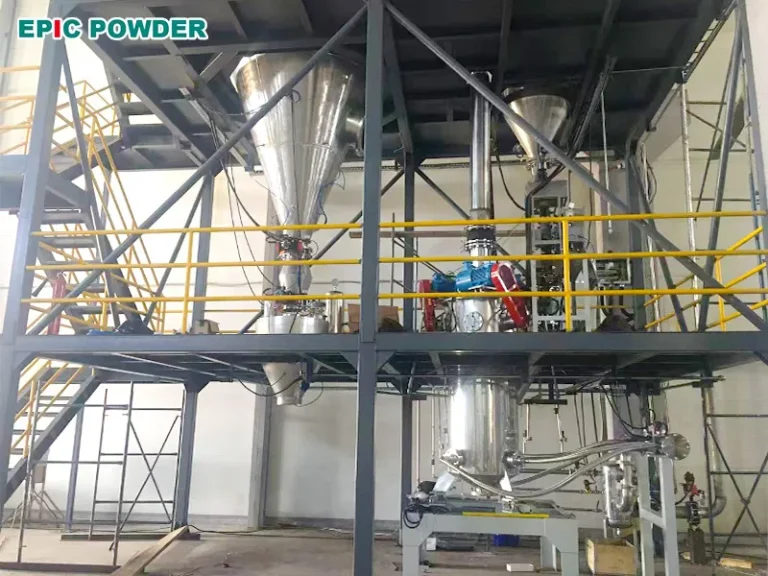
In contrast, jet milling uses high-velocity airflow to grind particles without physical contact. This means:
- No heat generation, preserving protein structure
- Minimal mechanical stress, retaining bioactivity
- A much tighter, consistent particle size distribution
This gentle process results in protein powders that dissolve faster and mix more smoothly, meeting growing demands for premium nutrition products.
6.2. Cost-Benefit Analysis for High-Value Protein Products
Jet milling may have a higher upfront cost compared to standard mechanical mills, but the benefits often outweigh this for high-value proteins:
| Factor | Jet Milling | Mechanical Milling |
|---|---|---|
| Heat & Shear Impact | Minimal | Significant |
| Protein Structure Integrity | Preserved | Often compromised |
| Particle Size Uniformity | High precision | Variable |
| Solubility Improvement | 30-40% or more | Limited |
| Contamination Risk | Low (no metal contacts) | Higher (wear from components) |
| Maintenance & Wear | Less wear, lower maintenance | High wear, frequent repairs |
For brands focused on plant-based blends or specialty whey proteins, investing in jet milling pays off through better product quality and customer satisfaction. It’s a smart move to enhance protein function and solubility without risking nutritional loss.
For similar detailed insights on powder behavior, check out our guide on powder compressibility to understand how milling affects flow and mixing in your formulations.
7. Key Questions from Protein Manufacturers, Answered by Epic Powder
7.1. Q: Will jet milling damage the protein or reduce its nutritional value?
Jet milling is known for its gentle, contamination-free process that uses high-velocity airflow rather than mechanical force. This means it produces minimal heat and shear stress, both of which can degrade delicate protein structures. At Epic Powder, we carefully control milling parameters to preserve the native structure and bioactivity of proteins. So, you can improve solubility without sacrificing nutritional value or functionality.
7.2. Q: How fine do we need to grind to see a noticeable improvement in solubility?
To see a clear boost in protein powder solubility, particle size typically needs to be reduced to below 30 microns (D90). At this range, the increased surface area allows faster hydration and dissolving, making mixability much smoother. However, the optimal fineness can vary by protein type—whey, soy, pea, or blends—and milling settings should be adjusted accordingly. Our closed-circuit jet milling systems with precise classifier control help achieve a consistent and desirable particle size distribution for best results. For more details, check out our page on the impact of excessive grinding speed on particle size distribution.
8. A Success Story: Enhancing Premium Plant-Based Protein
8.1. A nutrition brand struggling with clumping and slow dissolution in their pea protein isolate
One leading nutrition brand came to us facing a common but frustrating issue: their pea protein isolate kept clumping and dissolved slowly in liquids. This affected the overall consumer experience, making their product less appealing despite its high nutritional value. They needed a solution that would improve solubility without compromising protein quality.
8.2. The Epic Solution: Implementing a closed-circuit, GMP-compliant jet milling system with precise classifier control
Our team recommended a state-of-the-art, closed-circuit jet milling process designed specifically for delicate protein powders. This system is GMP-compliant, ensuring hygiene and preventing contamination during milling. By using precise classifier control, we tailored the particle size distribution to achieve consistent fineness, enhancing hydration while preserving the protein’s native structure and nutritional value.
8.3. Solubility index improved by over 40%, with a perfectly uniform particle size (D90 < 30µm) and zero thermal degradation
After implementing this jet milling approach, the client saw a remarkable improvement: their solubility index increased by more than 40%. The protein powder achieved a uniform particle size distribution with a D90 of less than 30 microns, which greatly enhanced dispersibility and reduced clumping. Importantly, the process generated no heat, so the protein’s bioactivity remained intact without any thermal degradation—validating jet milling as an ideal technique for premium plant-based protein processing.
For similar particle size refinement cases and efficiency in powder processing, see how particle size changes affect powder properties in our detailed analysis of heavy calcium powder.
Epic Powder
At Epic Powder, we offer a wide range of equipment models and tailor solutions to meet your specific needs. Our team has more than 20 years experience in various powders processing. Epic Powder is specialized in fine powder processing technology for mineral industry, chemical industry, food industry, pharama industry, etc.
Contact us today for a free consultation and customized solutions!

“Thanks for reading. I hope my article helps. Please leave a comment down below. You may also contact EPIC Powder online customer representative Zelda for any further inquiries.”
— Jason Wang, Senior Engineer